Iran Attack Fuels Oil Price Surge: Is $100 a Barrel Imminent?
The global oil market is once again on edge, reeling from the aftermath of recent geopolitical escalations in the Middle East. Following a coordinated Iran attack by US and Israeli forces, which reportedly followed the assassination of Iran's Supreme Leader, Ali Khamenei, crude oil prices have surged dramatically, rekindling fears that the benchmark price could soon hit the psychologically significant $100 per barrel mark. This abrupt escalation has not only triggered an immediate spike in futures but has also cast a long shadow of uncertainty over global energy security and economic stability.
Immediately following the weekend's events, futures markets reacted sharply. Brent crude, the international benchmark, saw an almost 9.5% increase, trading around $79.30 a barrel, up from its Friday close of $72.48. Similarly, West Texas Intermediate (WTI) futures climbed to approximately $72.30, marking a significant gain. These movements highlight the extreme sensitivity of the energy sector to Middle Eastern tensions, particularly when a major producer like Iran is directly involved. The question now looms large: Is this merely a speculative blip, or are we on the cusp of sustained, higher oil prices?
Iran's Pivotal Role in the Global Oil Market
To understand the profound impact of the Iran attack on petroleum markets, one must appreciate Iran's critical position within the global energy landscape. Iran is not just another oil-producing nation; it is a heavyweight whose stability, or lack thereof, reverberates across continents.
- Vast Reserves: Iran boasts approximately 10% of the world's proven crude oil reserves, making it one of the planet's most resource-rich countries. This enormous endowment gives it significant leverage and makes any disruption to its supply a global concern.
- Significant Production: The Islamic Republic maintains a robust crude oil production capacity, consistently pumping around 3.3 million barrels per day (bpd). This output constitutes a vital economic lifeline for the nation, with an estimated 80-90% of its exports destined for China, its primary customer despite international sanctions.
- OPEC Influence: Within the Organization of the Petroleum Exporting Countries (OPEC), Iran stands as the third-largest producer by volume. Its policies and production levels directly influence OPEC's collective output decisions, impacting global supply-demand dynamics.
- Resilience Amidst Sanctions: Despite years of stringent international sanctions, Iran's oil industry has proven remarkably resilient. It has consolidated its position as a significant crude producer, contributing approximately 4.5% of global oil pumping. Any event threatening this capacity immediately tightens global supply, pushing prices upwards.
Therefore, any threat to Iran's ability to produce or export oil sends immediate jitters through the market, creating a "risk premium" that factors in potential supply shortfalls. This fundamental vulnerability is what drives the current anxieties around oil prices.
The Spectre of the Strait of Hormuz: A Global Chokepoint
Perhaps the most potent threat emanating from the current geopolitical landscape, and a primary driver of rising oil prices following the Iran attack, is the potential closure of the Strait of Hormuz Threat: How Iran Impacts Global Oil Markets. This narrow waterway, located between the Persian Gulf and the Gulf of Oman, is an indispensable artery for global energy trade.
- Critical Transit Point: An astonishing 20% of the world's total crude oil production, along with a significant portion of liquefied natural gas (LNG), transits through the Strait of Hormuz daily. It is the only sea passage from the Persian Gulf to the open ocean, making it a vital chokepoint for major oil exporters like Saudi Arabia, Iraq, UAE, Kuwait, and Qatar.
- Iran's Strategic Position: Iran borders the northern side of the Strait and has, in the past, threatened to block it in response to perceived threats or aggression. Such an action, even temporarily, would have catastrophic consequences for global energy supplies, causing an immediate and dramatic spike in oil prices far beyond current projections.
- Ambassador's Stance: While Iran's Ambassador to Spain, Reza Zabib, indicated that "all options are on the table," he also reiterated Iran's historical commitment to peaceful navigation through the Strait, including energy transit. This diplomatic tightrope walk underscores the delicate balance of power and the potential for miscalculation.
As Ajay Parmar, Director of Energy and Refining at ICIS, noted, "While military attacks are by themselves a bullish factor for oil, the key element here is the closure of the Strait of Hormuz." The mere possibility of such a closure adds a substantial risk premium to every barrel traded, directly impacting the trajectory of oil prices after the **Iran attack**.
Expert Projections: The Road to $100 and Beyond
Given the volatile situation, numerous experts are now converging on the prediction that crude oil could indeed reach $100 per barrel, representing a significant increase of over 37% from Brent's pre-attack closing price. Raymond Torres, Director of Economic Analysis at Funcas, articulated this concern clearly: "If Iran's production capacity were to be affected, this would reduce market supply, which would push crude oil prices up to $100."
Manuel Pinto, an analyst at XTB, echoes this sentiment, specifically highlighting the threat of a Strait of Hormuz blockade as a primary catalyst for such a price surge. The combination of potential supply disruption from Iran itself and the broader risk to regional transport routes creates a perfect storm for price escalation.
It's important to remember that $100 per barrel is not an unprecedented threshold for crude oil. The market has breached this level several times in response to acute geopolitical tensions:
- 2008: Oil prices soared, peaking at $146.08 per barrel for Brent on July 3, amid global financial crisis and Middle East conflicts.
- 2011-2014: Sustained periods of high prices due to the Arab Spring uprisings and various conflicts across the Middle East and North Africa.
- 2022: The Russian invasion of Ukraine sent oil prices well above $100, demonstrating how major geopolitical events can rapidly reshape the energy landscape.
This historical context suggests that the current fears are well-founded, and the market's reaction to the Iran attack on oil prices is a reflection of well-established patterns. For a deeper dive into these historical patterns and crude's turbulent journey, see our analysis on Oil Market Shakes: Geopolitical Tensions & Crude's Path to $100.
Beyond the Headlines: Broader Implications and What's Next
The ramifications of the Iran attack extend far beyond immediate oil prices. A sustained period of high crude costs triggers a cascade of economic effects:
- Inflationary Pressures: Higher oil prices translate to increased costs for transportation, manufacturing, and ultimately, consumer goods. This fuels inflation, eroding purchasing power and potentially forcing central banks to maintain higher interest rates for longer, thereby slowing economic growth.
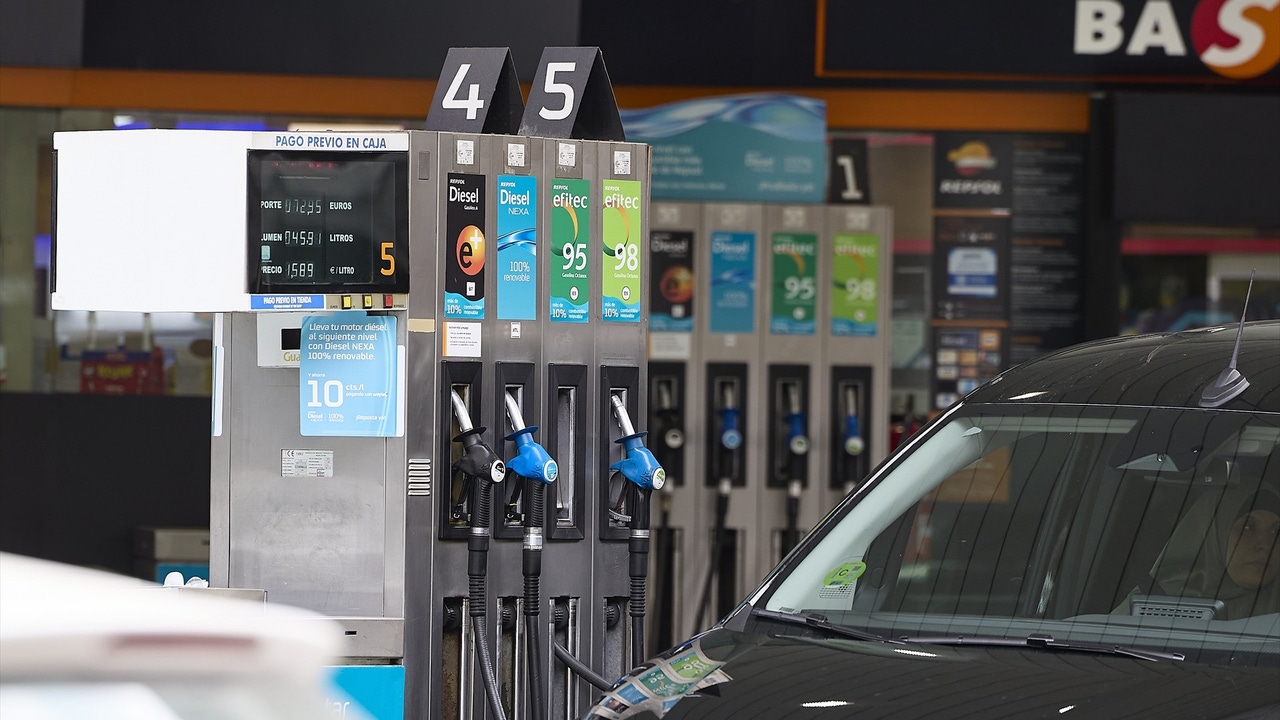
- Consumer Impact: For the average consumer, this means higher prices at the pump for gasoline (which saw futures rise over 5% to around $4.2070 in the US), increased utility bills, and more expensive goods. Practical tips include exploring public transport options, practicing fuel-efficient driving, and considering energy-efficient home improvements.
- Market Volatility for Investors: Investors can expect continued volatility in energy markets. While some might see opportunities in energy stocks, the overall uncertainty makes it a high-risk environment. Diversification and careful monitoring of geopolitical developments are crucial.
- Geopolitical Chessboard: Iran's strategic location, surrounded by other major hydrocarbon producers and close to nearly half of the world's reserves, means any instability there has regional and global implications. Raymond Torres also points out Iran's military capacity to target objectives in the region, which could further destabilize markets and escalate the conflict beyond the Strait.
The situation remains incredibly fluid. While immediate military actions may subside, the underlying tensions and the assassination of a high-profile figure like Ali Khamenei suggest a heightened state of alert for the foreseeable future. The international community will be closely watching diplomatic efforts, regional military posturing, and, of course, the responses of global powers.
Conclusion
The recent Iran attack and its fallout have unequivocally highlighted the fragility of global energy markets in the face of escalating geopolitical tensions. With Iran's significant role in oil production and its strategic control over the Strait of Hormuz, the threat of $100 per barrel oil is not merely hypothetical; it is a very real possibility, backed by expert analysis and historical precedent. While no one can predict the future with certainty, the current confluence of events demands vigilance from consumers, businesses, and policymakers alike. The path ahead is fraught with uncertainty, and the ripple effects of these developments could define economic trends for months, if not years, to come.